Rubyvoquer
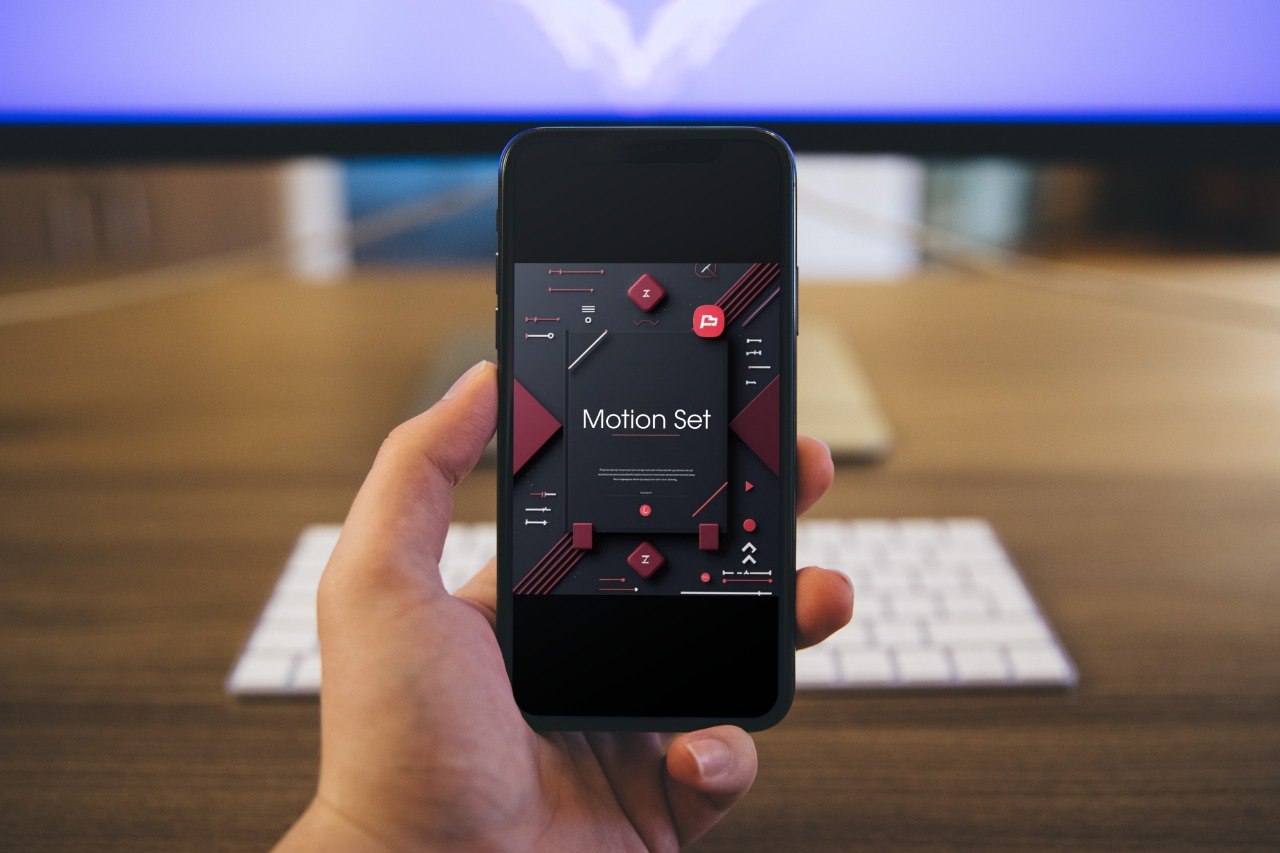
Motion Set
Motion Set
Couldn't load pickup availability
Helpful Course Details
- 📚 Long-term material availability
- 🔐 Secure checkout
- ↩️ 30-day payment return terms
- 💾 Downloadable study files for offline learning
Self-paced learning overview
1. Problem Statement
After learning arrays, hashes, and methods, a new challenge often appears: how to bring these parts into a tidy code fragment. A learner may know the syntax but still feel unsure about where to begin a task. Sometimes the issue is not Ruby itself, but the fact that the task logic has not yet been broken into clear steps. Because of this, code may become long, repetitive, or hard to read. Motion Set is created to make learning examples more connected, active, and closer to practical study situations.
2. Solution
Motion Set shows how to build small Ruby scenarios from idea to finished code fragment. The materials explain how to identify input data, choose a structure, check conditions, move through a collection, and place repeated logic into methods. Learners see not only the finished answer, but also the building path: why the task begins in a certain way, where a check fits, and when an array or hash may be suitable. This plan gives more attention to the link between task analysis and code writing. The format helps learners develop practical thinking without inflated claims or pressure.
3. What’s Inside
Motion Set includes an expanded collection of materials for learners who have already covered Ruby basics and want to work better with small tasks. The plan is built around the idea of movement: data is not only stored in variables, but also passes through different stages of processing.
The first block focuses on task analysis before writing code. Learners practice seeing a task not as text that must instantly become Ruby, but as a group of parts. The materials explain how to find input data, define the expected result, notice conditions, and understand which actions need repetition.
The second block focuses on working with collections. Arrays and hashes are presented not only as separate topics, but as tools for storing and processing data. Learners see how to move through a list, choose needed values, change elements, group information, and form new structures.
The third block presents methods as parts of a scenario. The materials show how to divide a larger action into several smaller methods. For example, one method can prepare data, another can check a condition, and another can return the final text or number. This helps make code tidier and easier to read again later.
The fourth block looks at conditional logic in a wider context. Learners see how conditions work not only in separate examples, but inside loops, methods, and collection processing. The materials explain how to avoid overly tangled checks and how to break a heavier check into clearer parts.
The fifth block contains learning scenarios. These are small tasks built around processing text, lists, numbers, and “name — value” pairs. For example, learners may work with a list of names, check string length, count values, form a final result, or filter data by a condition.
The sixth block focuses on reading and editing code that already exists. Learners receive examples where the code works but does not look very tidy. The materials show how to notice repetition, extra lines, unclear variable names, or fragments that can be moved into a method. This helps learners not only write code, but also review it after writing.
The seventh block is a collection of practice exercises with growing depth. The first tasks are shorter and include more hints. Later, learners get more room to choose the structure on their own. The exercises cover arrays, hashes, methods, conditions, loops, text changes, and result formation.
Motion Set also includes a map called “from task description to Ruby solution.” It shows the path: read the task, write down the data, find repeated actions, choose a collection, write methods, check the result, and review the code. It is not a strict template, but a working guide for learning tasks.
A separate section covers common confusion points at this stage. For example: when to use an array and when to use a hash; why a method returns a different value than expected; how not to lose a variable inside a loop; why a condition behaves differently than planned; and how to understand the difference between changing data and creating a new result.
4. Who Is This For?
Motion Set is for learners who already know basic Ruby and want to move into more connected learning tasks. This plan fits learners who understand separate topics but want to see more clearly how they work together in one scenario.
It is also suitable for people who often face the question: “I know these tools, but how do I begin the solution?” The materials help learners first sort out the task and only then write the code.
Motion Set also fits learners who want to review their own code with more attention. This plan includes not only writing new examples, but also working with existing fragments: reading, editing, simplifying, and arranging them more neatly.
5. What You’ll Learn
- How to analyze a learning task before writing code.
- How to identify input data and the expected result.
- How to choose between an array and a hash.
- How to move through collections and process values.
- How to combine conditions, loops, and methods.
- How to split a larger action into several methods.
- How to reduce repetition in code.
- How to read code after writing it and notice weak spots.
- How to work with text, numbers, and lists in one scenario.
- How to form a final result through several steps.
- How to find logic mistakes, not only syntax mistakes.
- How to build small Ruby scenarios in a more ordered way.
6. 30-Day Refund Terms
- 30-day money back
- - Risk-free
What format are the materials in?
What format are the materials in?
The materials are provided in a digital format: text modules, PDF-style guides, Ruby code examples, and practice files that can be downloaded for offline study.
Do I need any prior programming knowledge?
Do I need any prior programming knowledge?
No prior programming knowledge is needed for the starter plans. The materials begin with core ideas: variables, strings, numbers, conditions, arrays, hashes, and methods.
Share